41 Dorset Rd East, Emerald Hill, Harare
ehdeaf@gmail.com
+263-24-2339282
Our Facebook Page
DONATE NOW

ABOUT US

Our History

LORETO

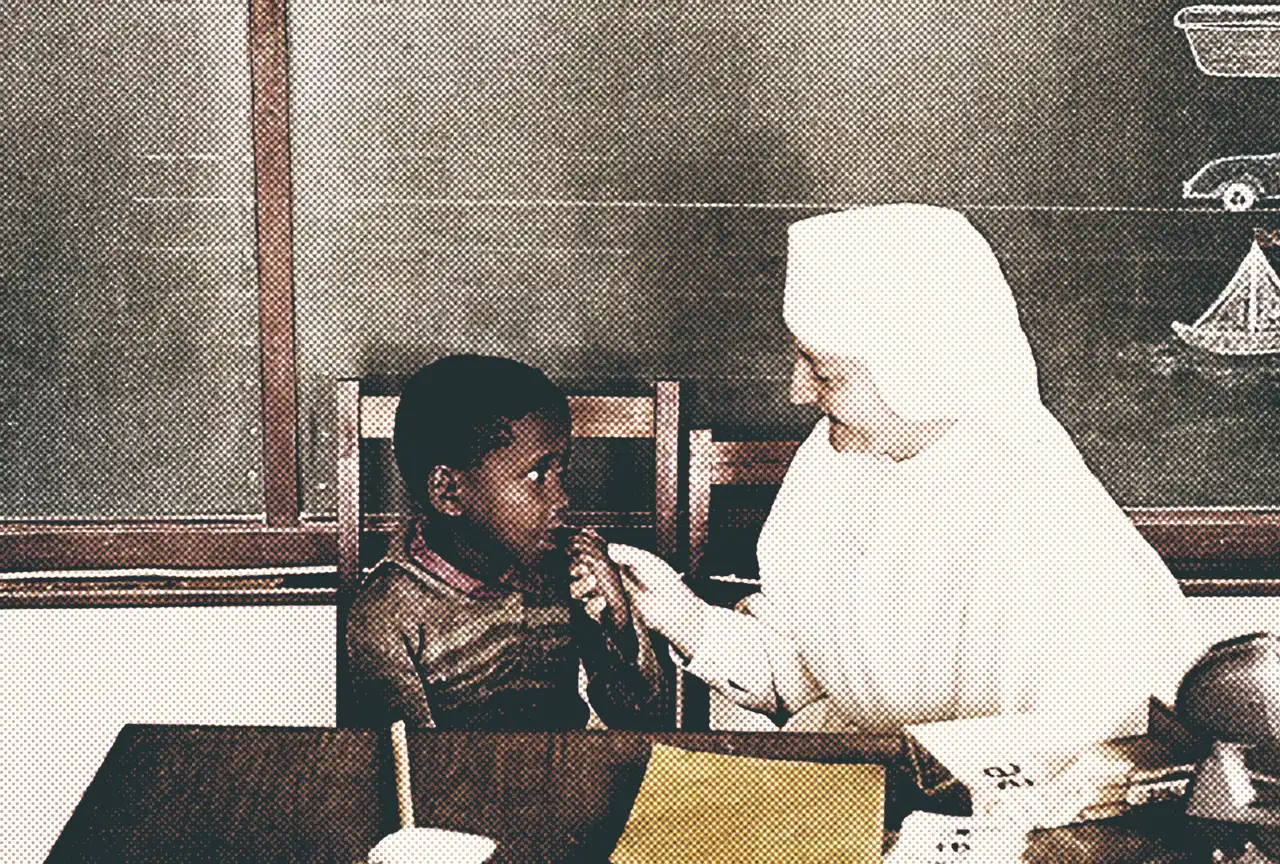
Loreto School for the Deaf was established in 1947 by the Dominican Sisters of the Sacred Heart, approximately 83 km northwest of Gweru, and 75km west of Kwekwe. According to the Rhodesian Study Circle, this was a step towards expanding the Sister’s work into the rural areas, where the Sisters had previously largely played a supporting role on priest-run missions.
The school was built with £6000 in donations and grants from the local governments of Gweru and Kwekwe, and though there were only 7 learners at the end of the second year, the enrolment numbers grew steadily.
EMERALD HILL

In 1978, when the school had 80 learners and 5 teachers, the school was forced to close indefinitely due to the War of Liberation.

The unforgettable night came in the evening of 5th December 1978:
"The Freedom fighters surprised the Dominican Sisters in their convent in the evening, while at recreation, and shuffled them out to the deaf boys’ dormitory in the dark night, and told them that Loreto Mission was closed and had to be evacuated the following day"
- Br. Alfonce Kugwa and Sr. Mufaro Chakuinga LCBLs

As a result, it was decided to move the school to Emerald Hill in Harare, where the Dominican Sisters were already running a children’s home.

"In May 1979 the first 88 deaf pupils and some teachers from Loreto arrived, among them Mr. Albert Karikoga, the new head of the School, Sr Tariro Chimanyiwa and Sr Bernadette Helegwa."
- Alfonce Kugwa and Sr. Mufaro Chakuinga LCBLs

And so on May 15th 1979, the school was formally reopened, and after Independence in 1980, plans were made to permanently remain at Emerald Hill and to build a new School for the Deaf there.
INCLUSIVE EDUCATION

According to Mark Loomis, from 1980 to 2000 the Zimbabwean Ministry of Education, Sports, Arts and Culture emphasised the use of sign language in the school. However due to the poor standards of literacy and fluency produced by the approach, focus was shifted in the year 2000 towards the Auditory/Oral Method.
As such, hearing aids were purchased for the learners, the teachers were re-trained, and the school began to practise inclusive education - where hearing children are enrolled to learn together with hearing-impaired children.
This approach sought to make it easier for the hearing-impaired children to acquire language and be able to communicate, making it easier for them to integrate into society.
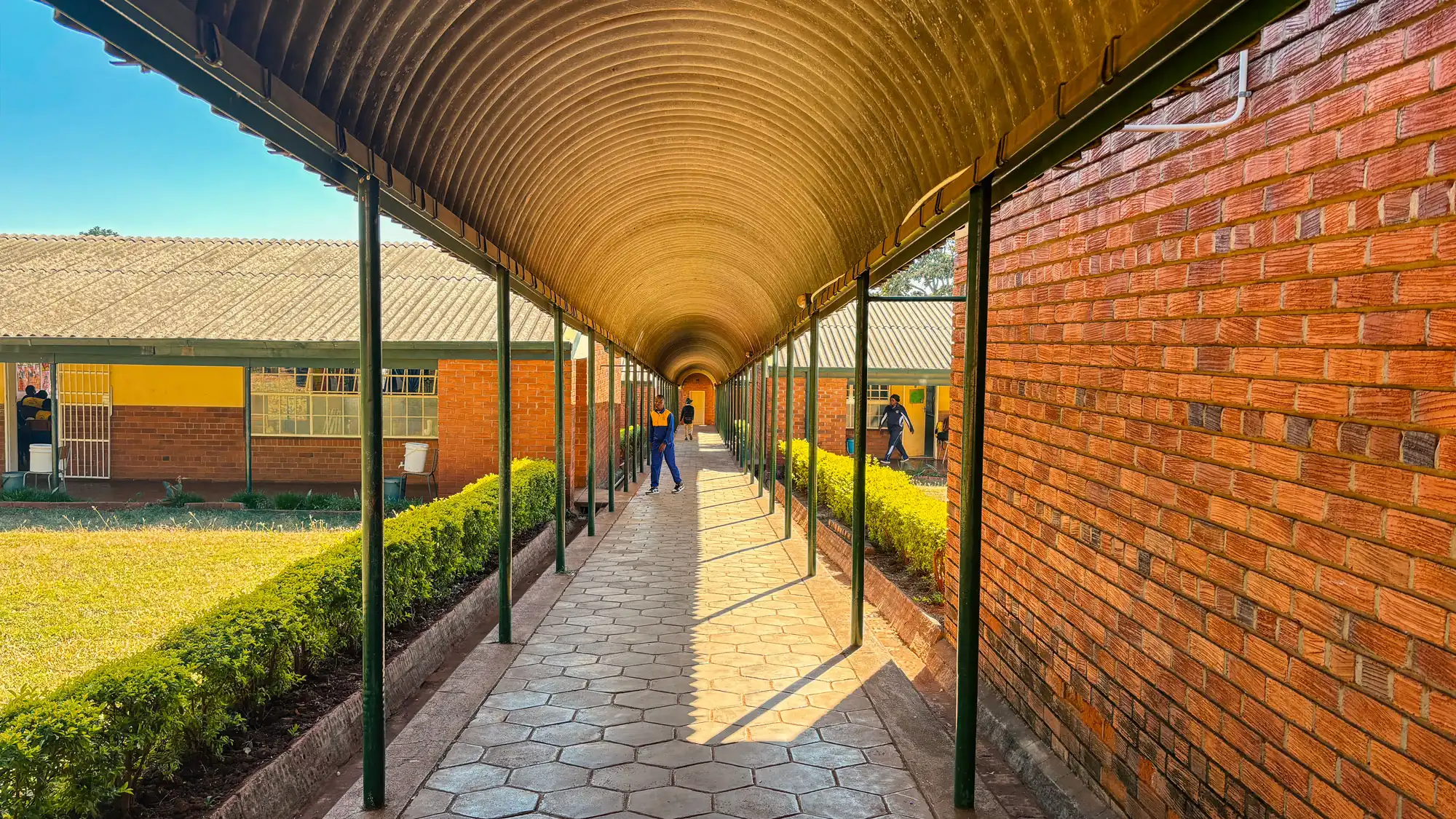
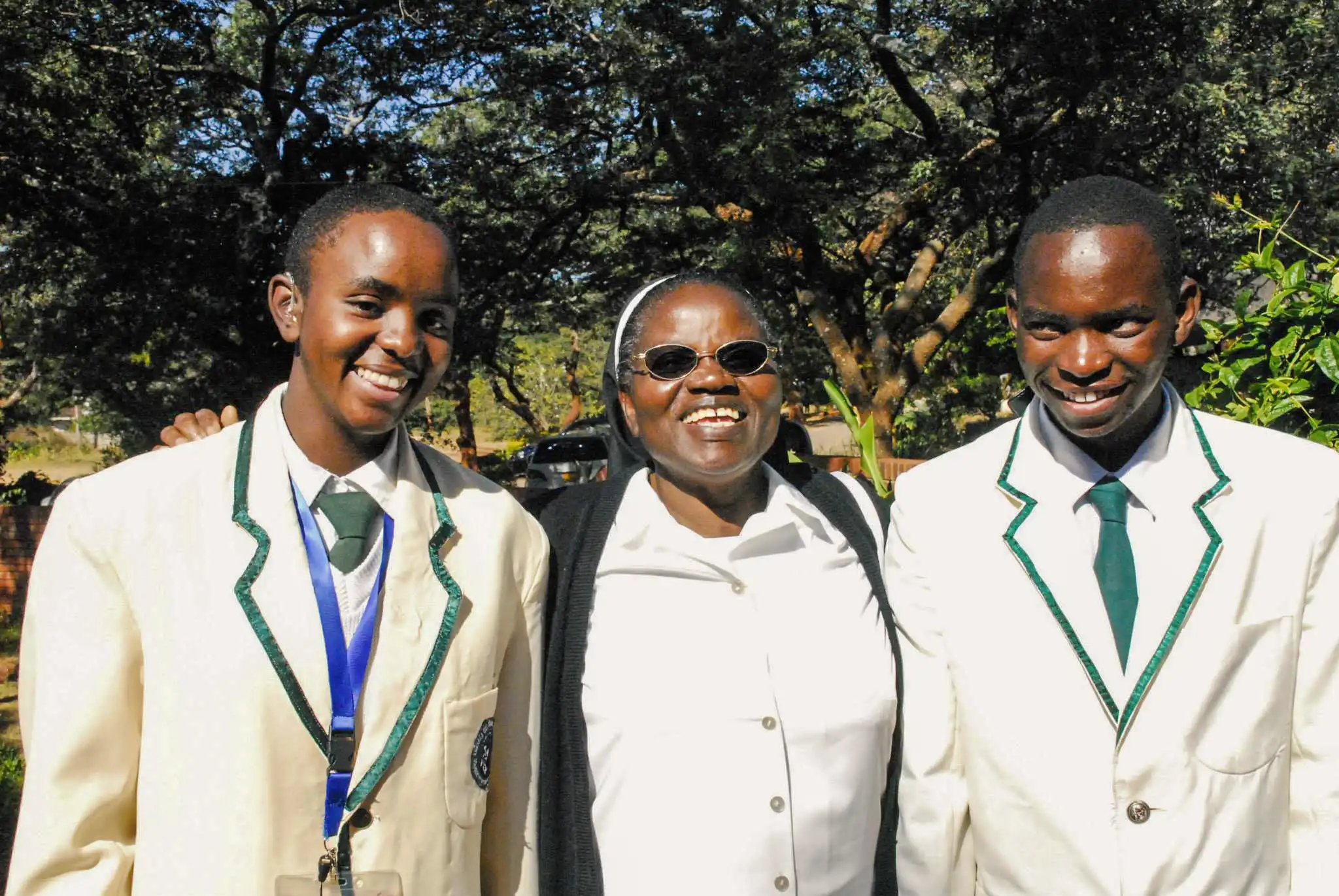
The school has continued to grow and at present, the total enrolment of our primary and high schools is 453 learners, mostly underprivileged learners from all over Zimbabwe.
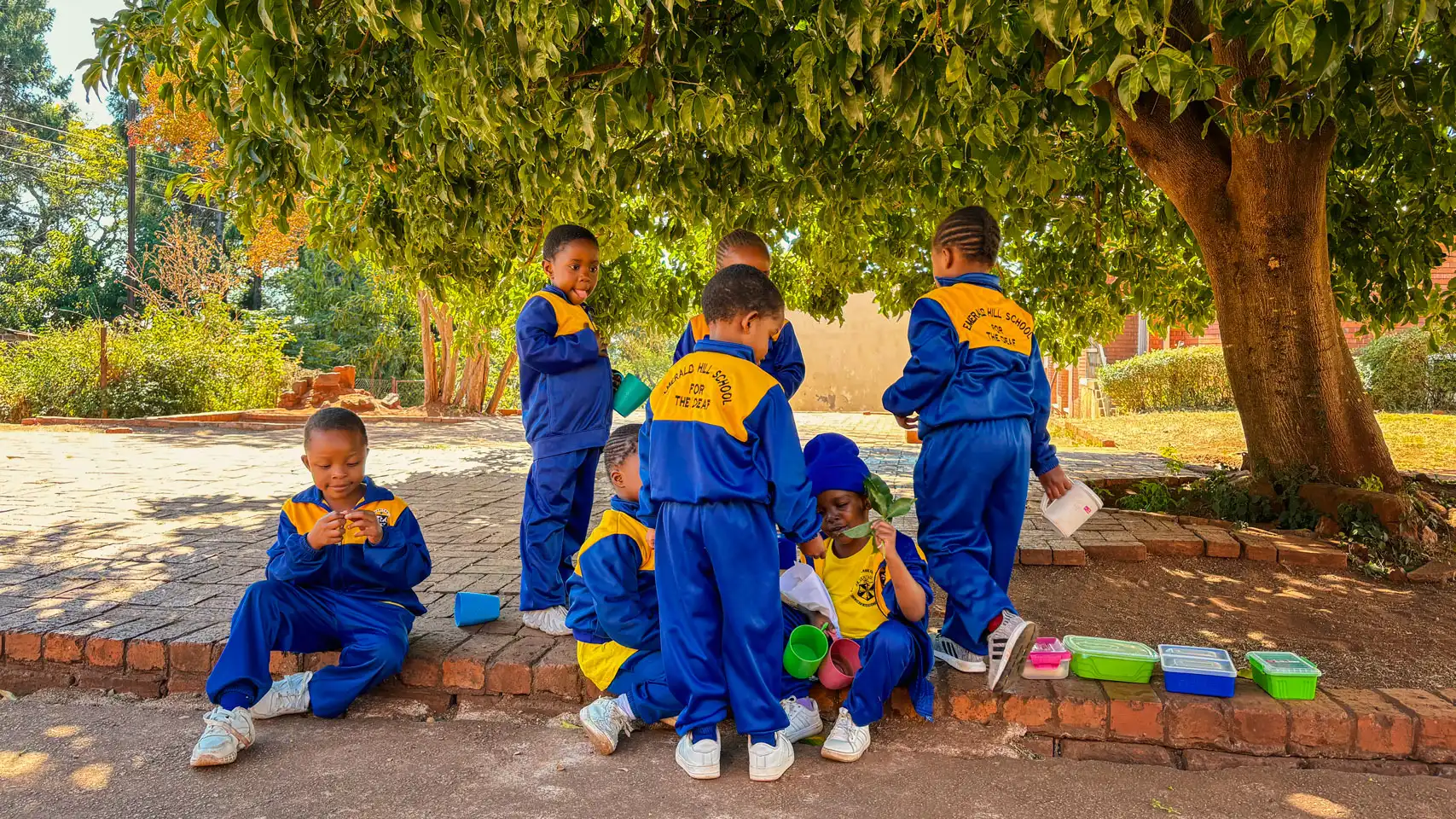
Our Primary School

ENROLMENT

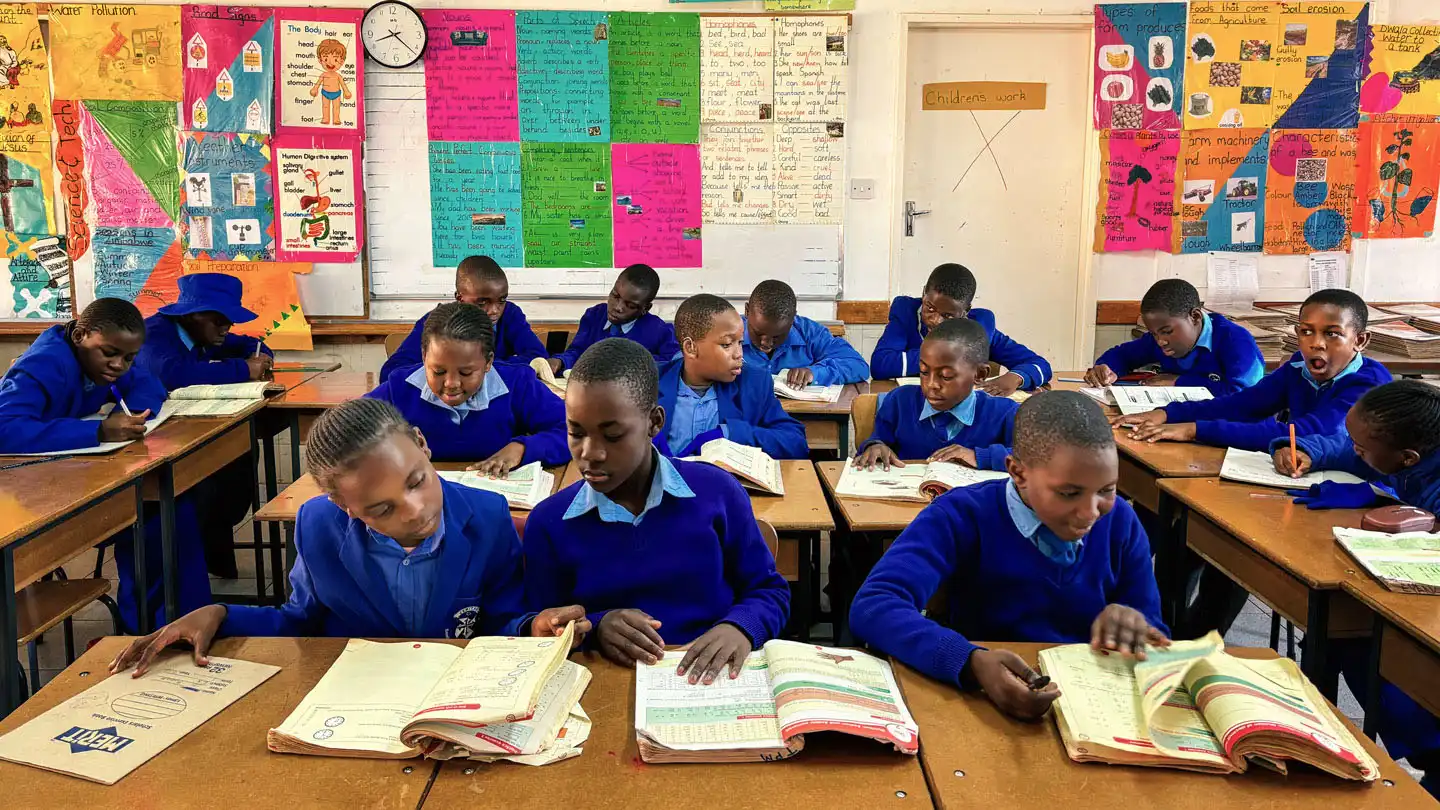
In our primary school, we practise inclusive education, where hearing children are enrolled to learn together with hearing-impaired children. This is done to make it easier for the hearing-impaired children to acquire language and be able to communicate, making it easier for them to integrate into society.
We have 311 learners (93 deaf and 218 hearing). Our primary school department is comprised of 28 teaching staff - headed by Mrs Mazhunga.

Boarding facilities are not available to hearing primary school learners, but there is limited availability for the hearing-impaired primary school learners.

EXAMINATIONS

Our learners are required to write Zimbabwe School Examinations Council (ZIMSEC) examinations, which is a big challenge. The hearing pupils write 6 subjects exams whilst the deaf children write 5 subject exams, namely Maths, English, Physical Education and Arts, Social Sciences, Agriculture Science and Technology. (The Shona exam is written by the hearing learners only.)

EXTRACURRICULAR ACTIVITIES

Our school offers a number of extracurricular activities that aim to provide a wholistic and rounded education for our learners. These include sporting activities and a few vocational and technical courses.

Click to view our voc-tech courses

ASPIRATIONS

Our dream is for the primary school to have rooms for practical subjects, like cooking room, sewing room, woodwork room, art room and the stone carving room.

Our High School

ENROLMENT

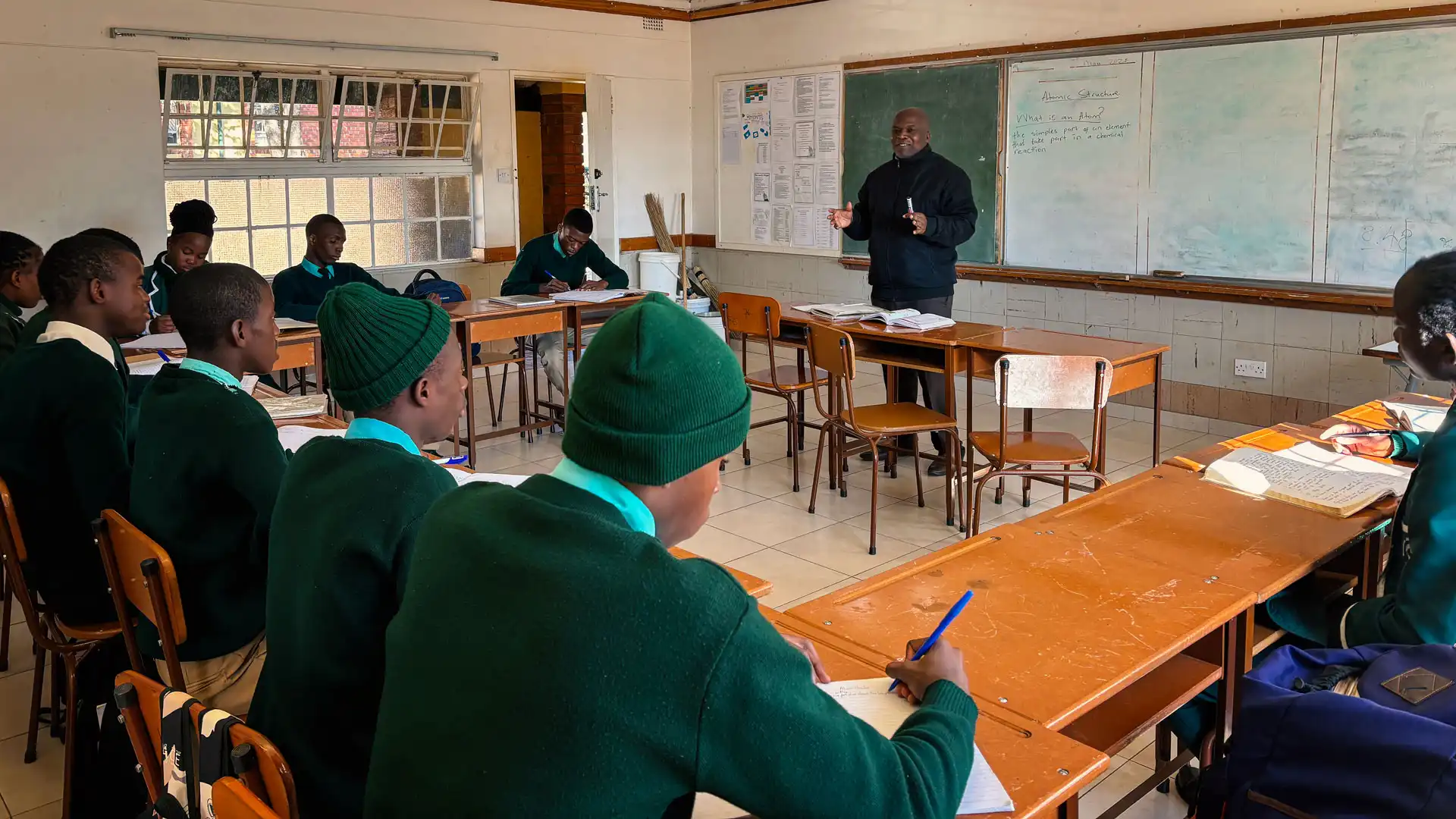
In our high school, we have 142 learners (131 deaf and 11 hearing). Our high school department is comprised of 24 teaching staff - headed by Mrs Magwere. Boarding facilities are available to all hearing-impaired high school learners.

EXAMINATIONS

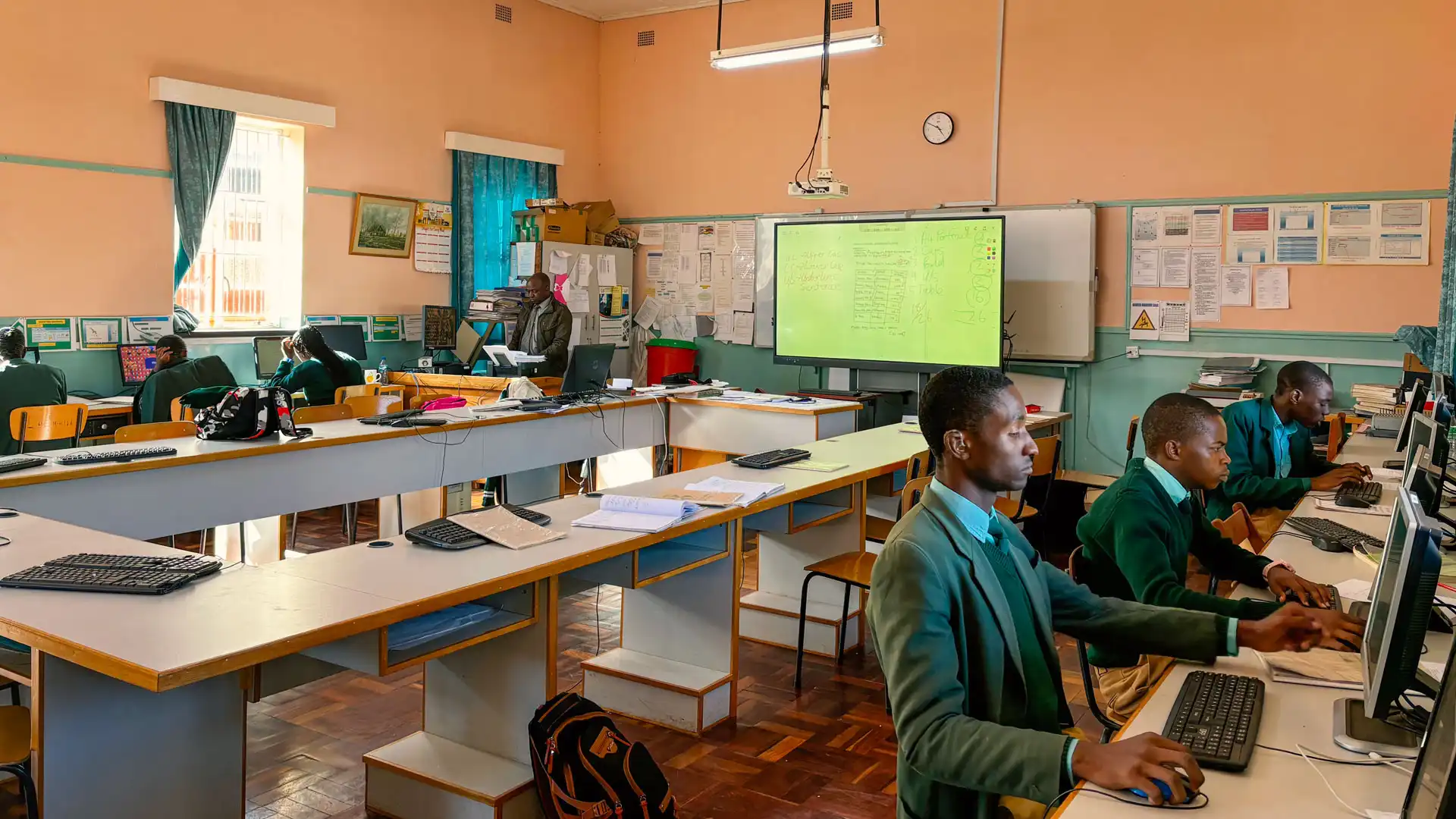
Our 'O' Level curriculum is completed in 6 years, after which our high school learners sit down for Zimbabwe School Examinations Council (ZIMSEC) exams in English, Mathematics, Geography, Accounts, Science, Computers, Food Technology and Design, Textiles Technology and design, Art and Woodwork Technology and design.

The learners also take examinations with the Higher Education Examination Council (HEXCO) for their vocational and technical courses. They take examinations in Carpentry and Joinery, Bookkeeping, Computer Word Processing, Bakery Studies, Garment Construction & Textile Technology, Business English, Business Calculations, and Stone Carving with the Higher Education Examination Council (HEXCO). Upon successful completion, they earn a National Foundation Certificate.

VOCATIONAL AND TECHNICAL COURSES

We offer a varierty of practical courses meant to give learners life skills and empower them to find jobs, or employ themselves after high school, by teaching them resource utilisation, self reliance, and general problem solving.

The hearing-impaired learners do very well in these practial subjects and earn a National Foundation Certificate after taking their HEXCO examinations.

Click to view our voc-tech courses