LORETO
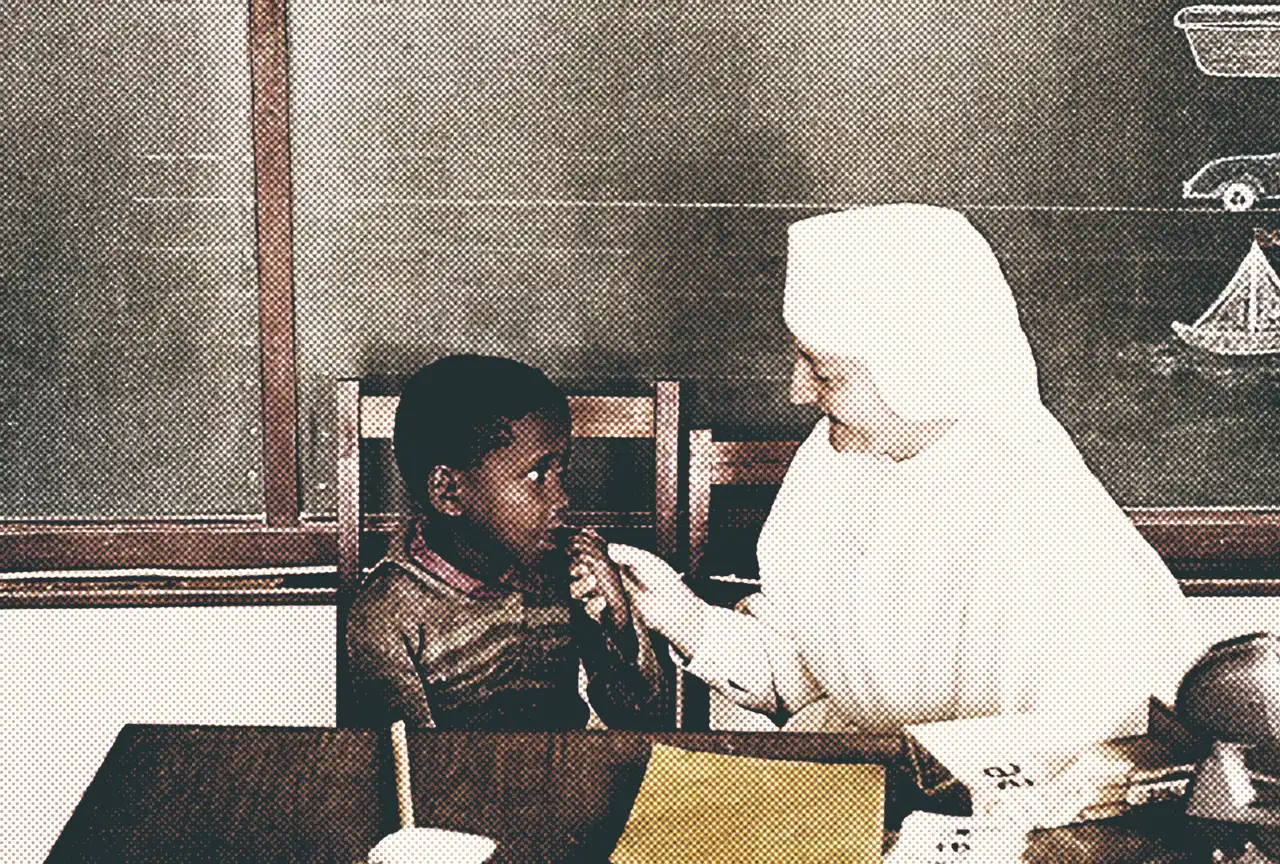
Loreto School for the Deaf was established in 1947 by the Dominican Sisters of the Sacred Heart, approximately 83 km northwest of Gweru, and 75km west of Kwekwe.
According to the Rhodesian Study Circle, this was a step towards expanding the Sister’s work into the rural areas, where the Sisters had previously largely
played a supporting role on priest-run missions.
The school was built with £6000 in donations and grants from the local governments of Gweru and Kwekwe, and though there were only 7 learners at the end of the second year,
the enrolment numbers grew steadily.
EMERALD HILL
In 1978, when the school had 80 learners and 5 teachers, the school was forced to close indefinitely due to the War of Liberation.
The unforgettable night came in the evening of 5th December 1978:
"The Freedom fighters surprised the Dominican Sisters in their convent in the evening, while at recreation, and shuffled them out to the deaf boys’ dormitory in the dark night, and told them that
Loreto Mission was closed and had to be evacuated the following day"
- Br. Alfonce Kugwa and Sr. Mufaro Chakuinga LCBLs
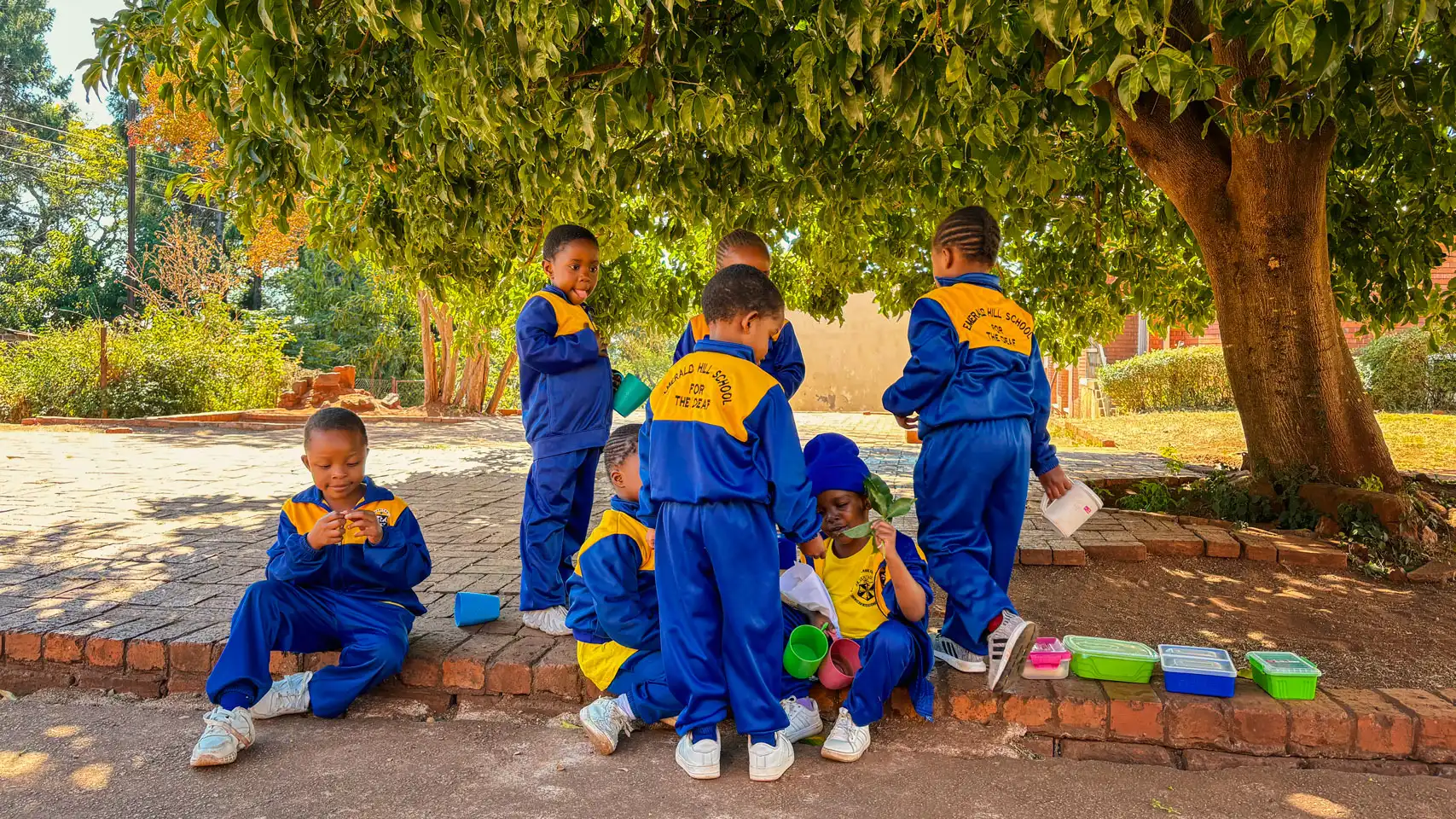
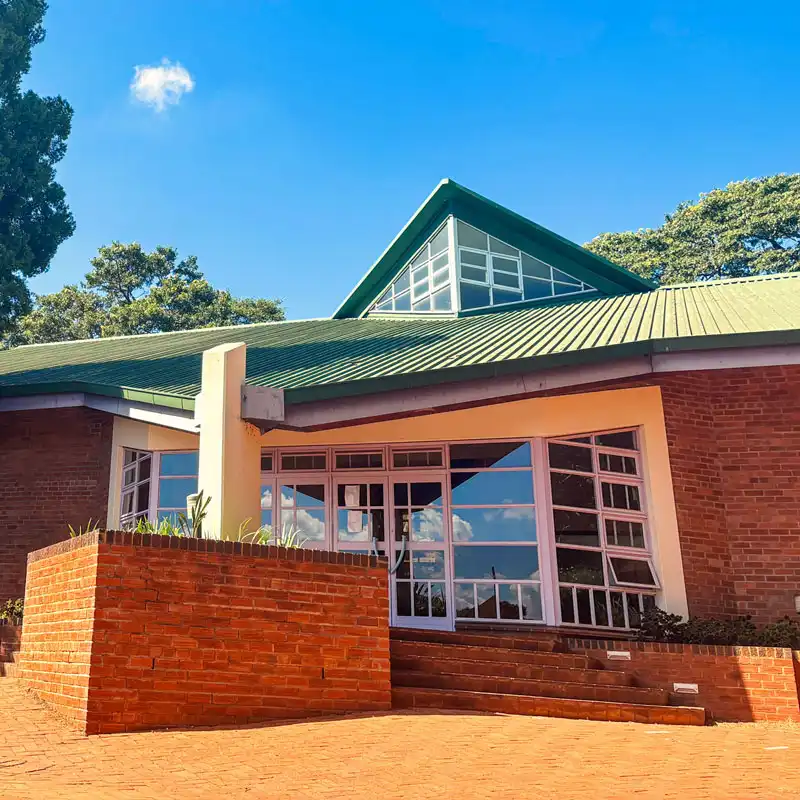
As a result, it was decided to move the school to Emerald Hill in Harare, where the Dominican Sisters were already running a children’s home.
"In May 1979 the first 88 deaf pupils and some teachers from Loreto arrived, among them Mr. Albert Karikoga, the new head of the School, Sr Tariro Chimanyiwa and Sr Bernadette Helegwa."
- Alfonce Kugwa and Sr. Mufaro Chakuinga LCBLs
And so on May 15th 1979, the school was formally reopened, and after Independence in 1980, plans were made to permanently remain at Emerald Hill and to build a new School for the Deaf there.
INCLUSIVE EDUCATION
According to Mark Loomis, from 1980 to 2000 the Zimbabwean Ministry of Education, Sports, Arts and Culture emphasised the use of sign language in the school. However due to the poor standards of
literacy and fluency produced by the approach, focus was shifted in the year 2000 towards the Auditory/Oral Method.
As such, hearing aids were purchased for the learners, the teachers were re-trained,
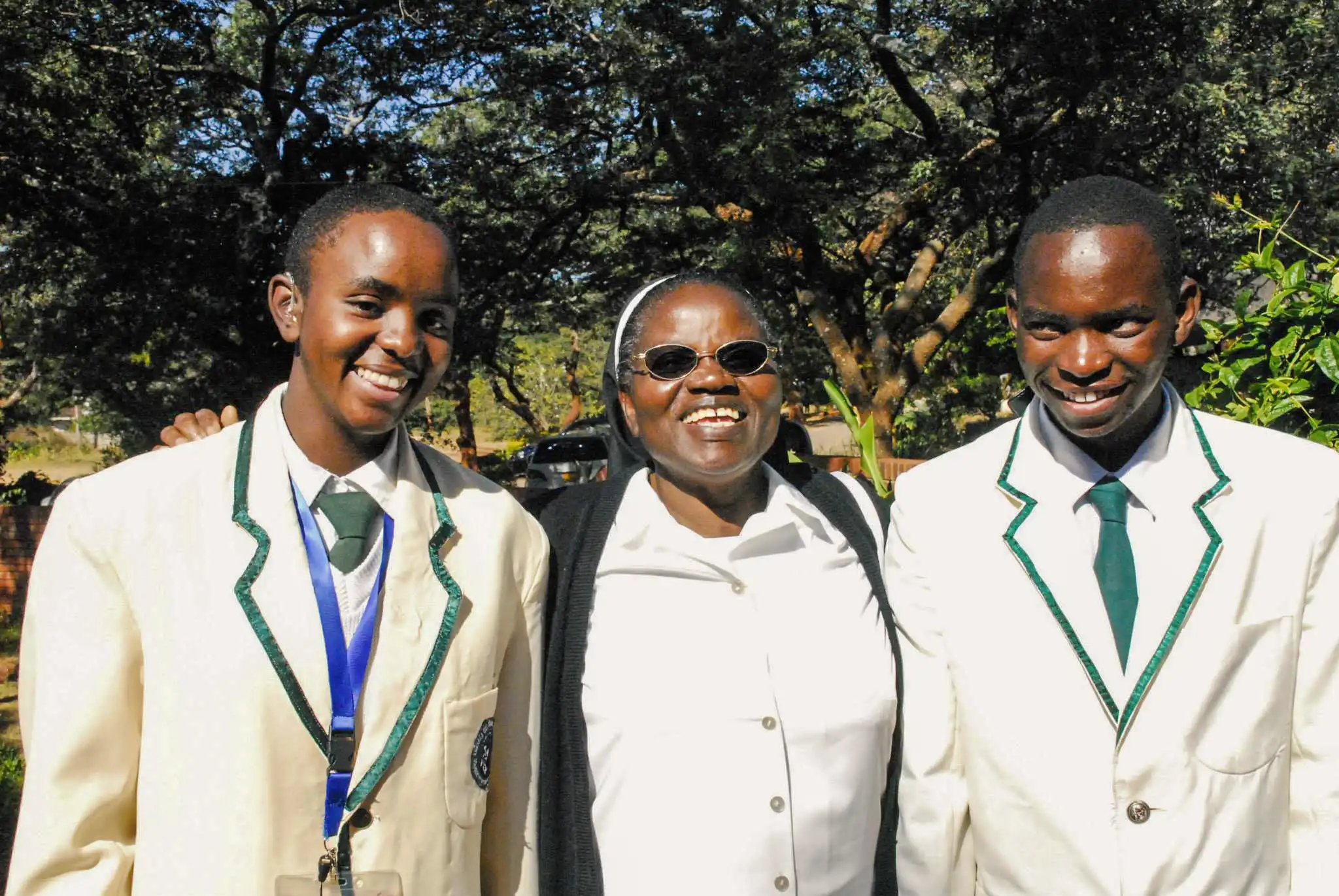
and the school began to practise inclusive education - where hearing children are enrolled to learn together with hearing-impaired children.
This approach sought to make it easier for the hearing-impaired children to acquire language and be able to communicate, making it easier for them to integrate into society.
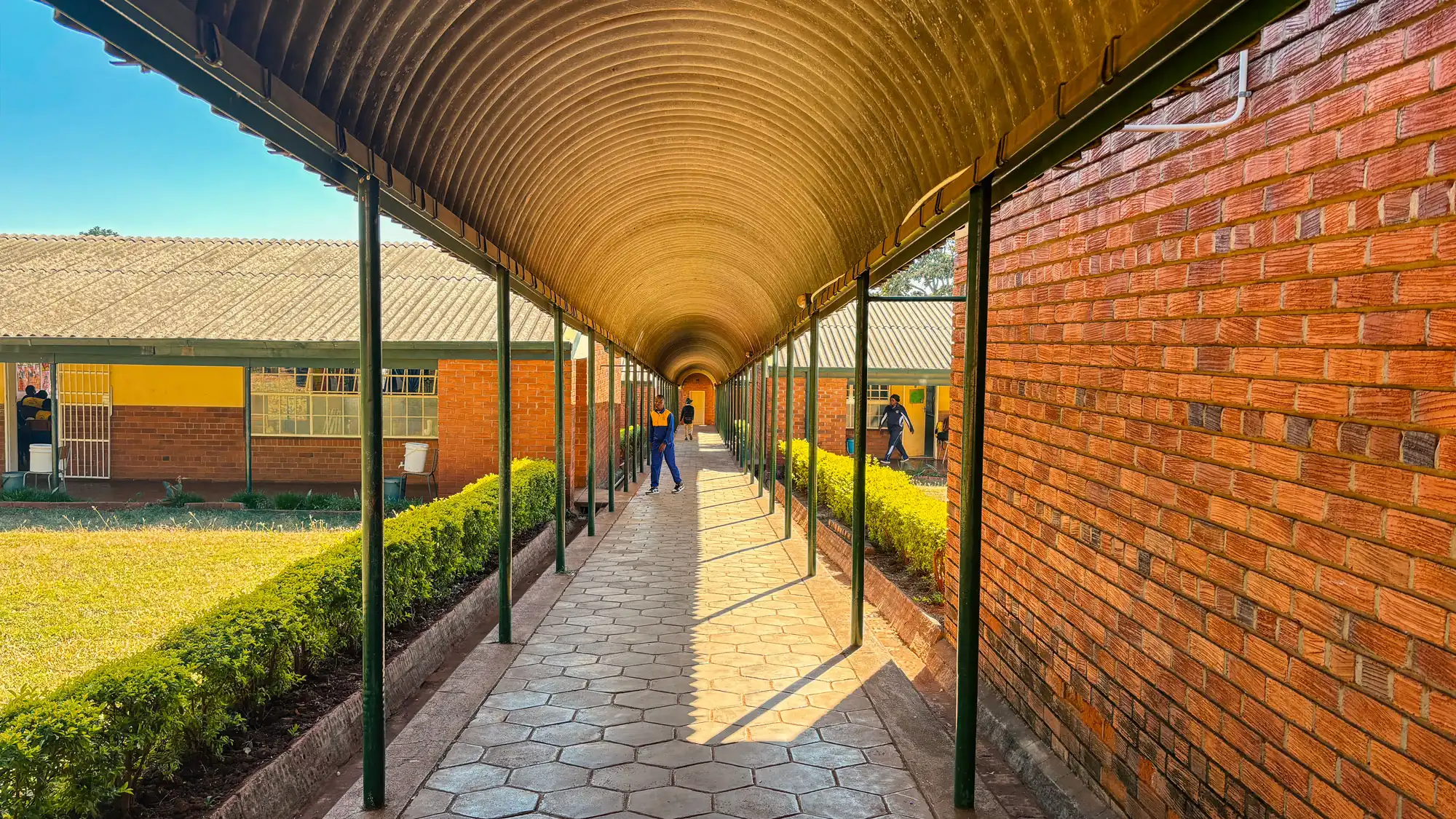
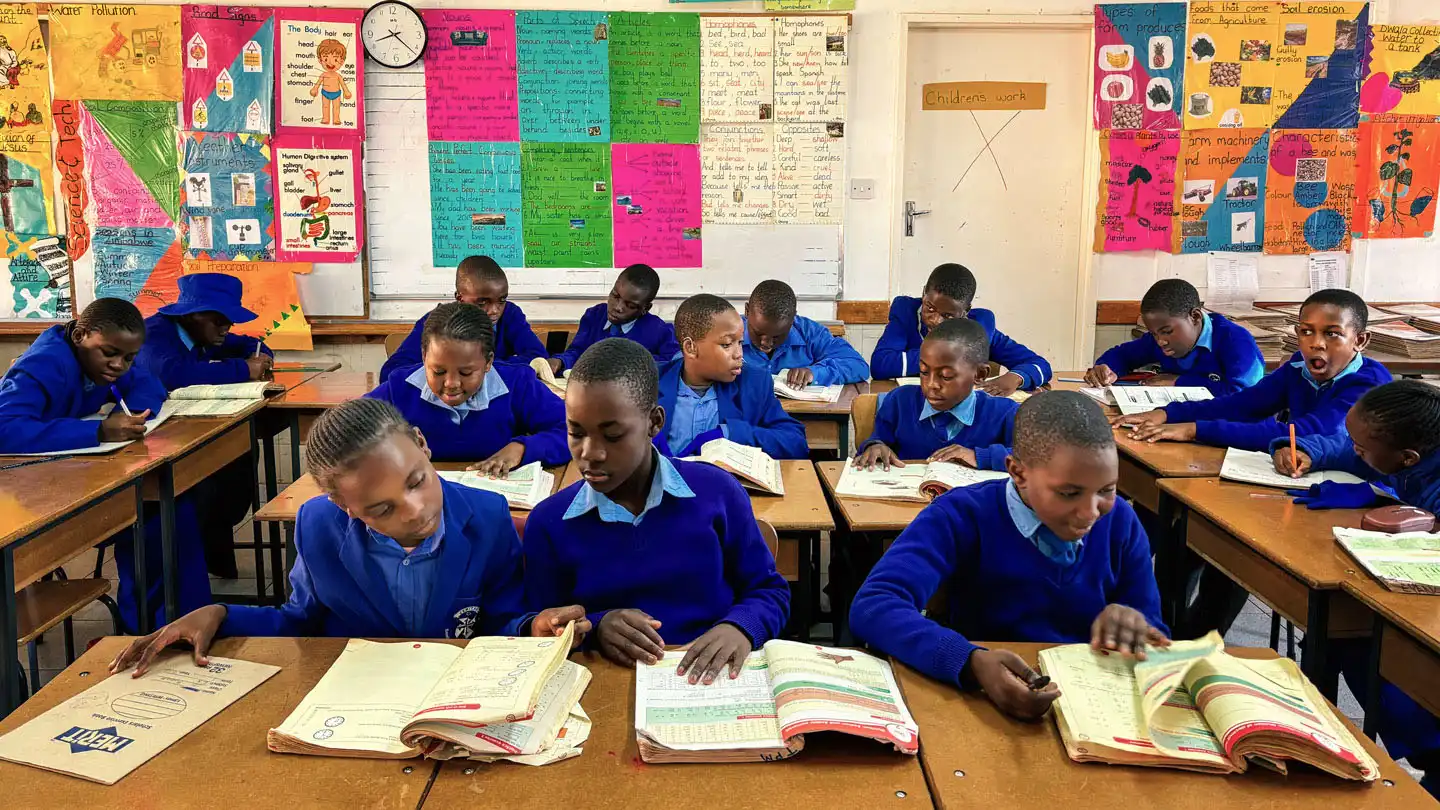
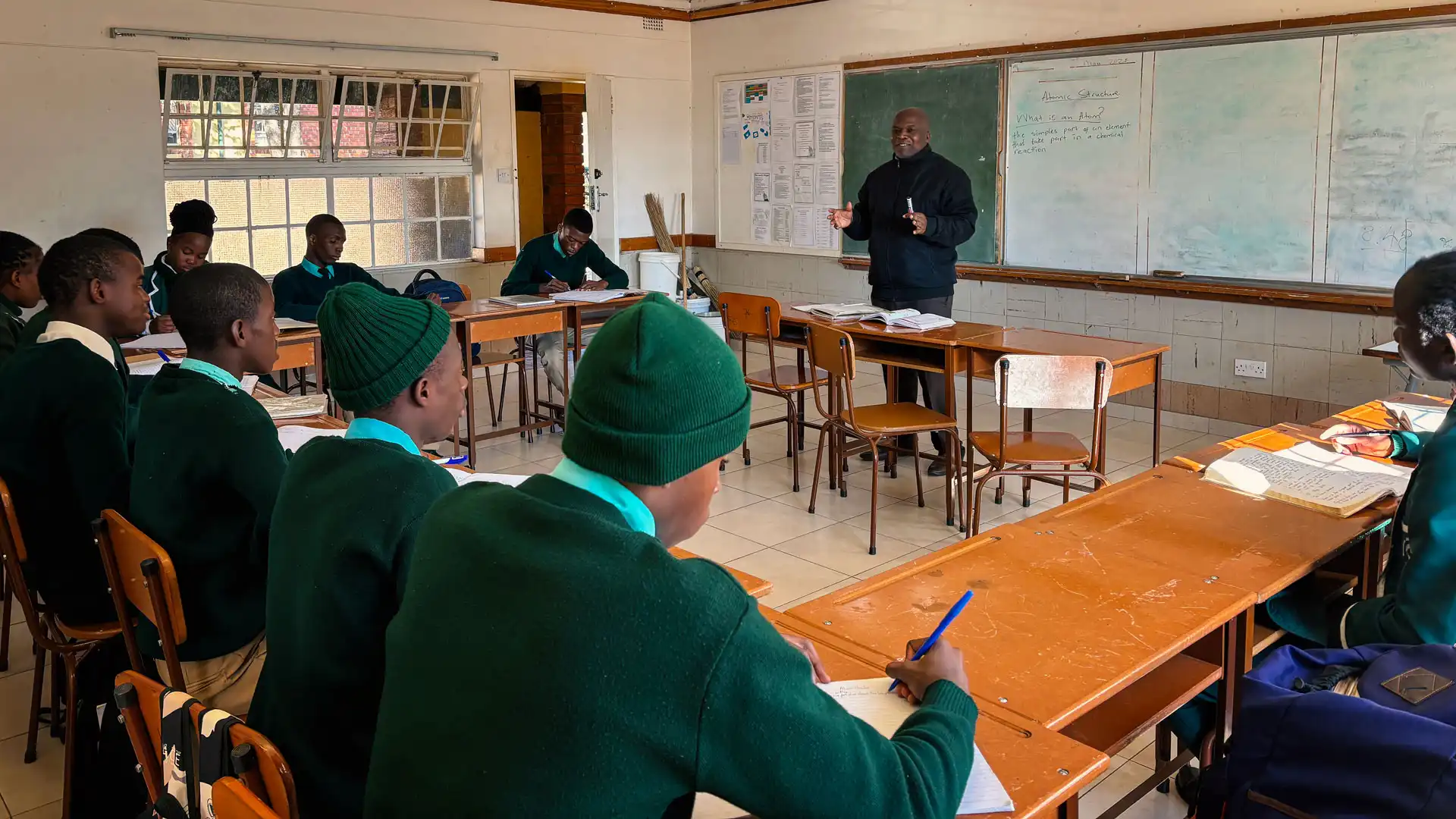
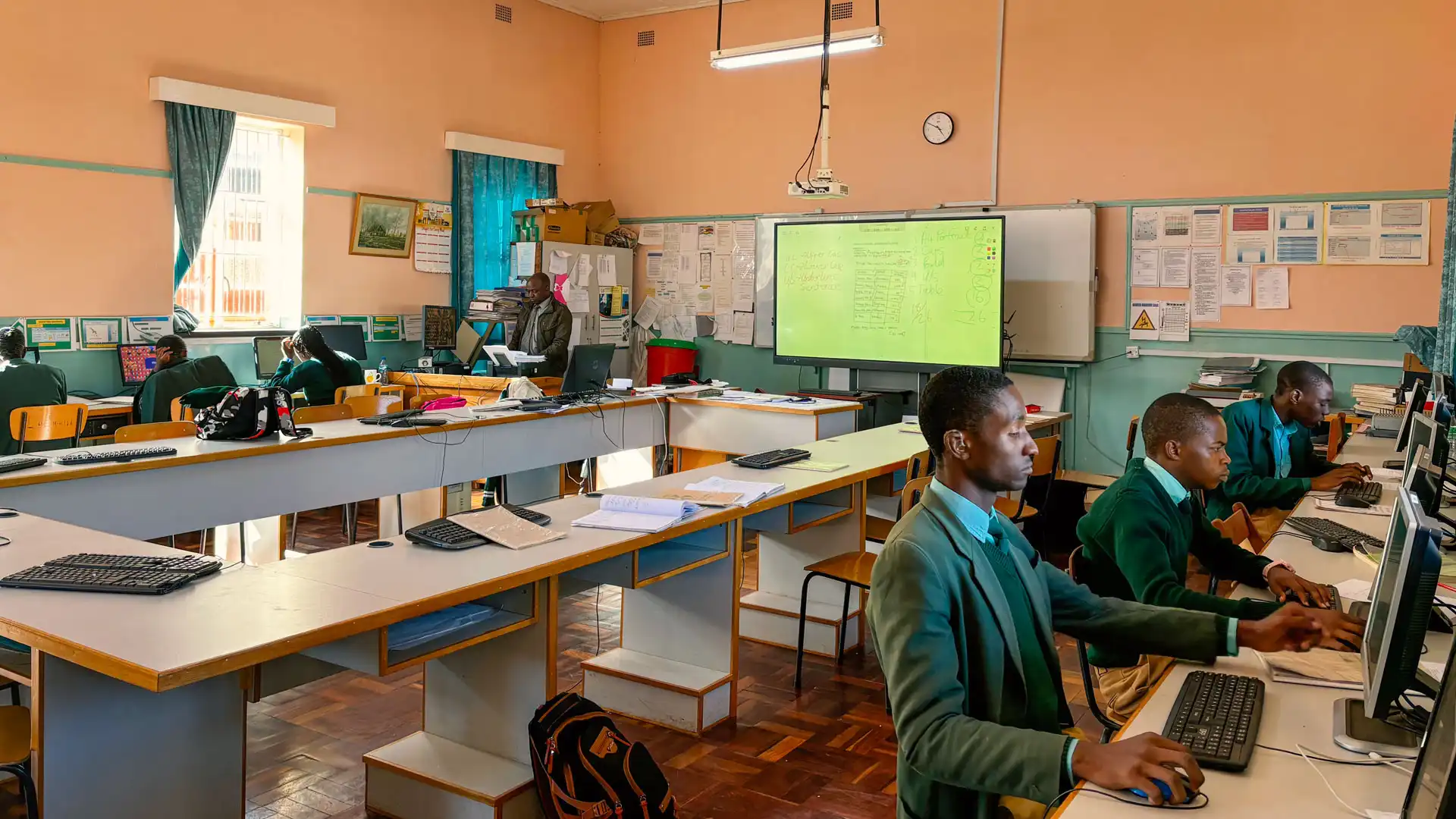
The school has continued to grow and at present, the total enrolment of our primary and high schools is 453 learners, mostly underprivileged learners from all over Zimbabwe.