SUMMARY
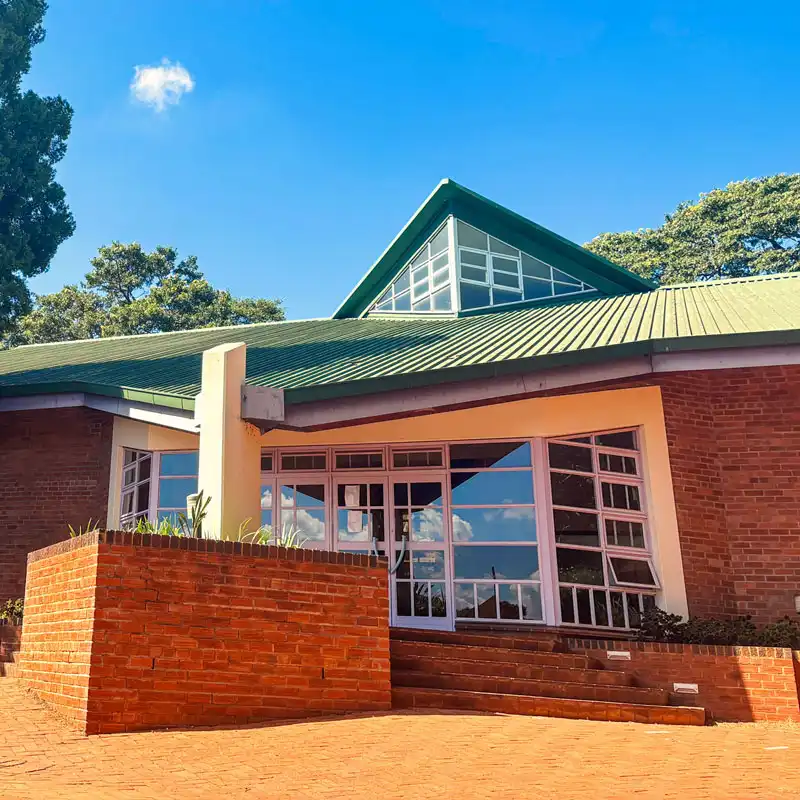
Emerald Hill is a large integrated community primarily consisting of the School for the Deaf, the Children's Home, and the Dominican Convent. These three communities are deeply integrated and live and work side by side. The wider community also includes the many parents and partners of the school, other Dominican communities, and the residents of the surburb of Emerald Hill.
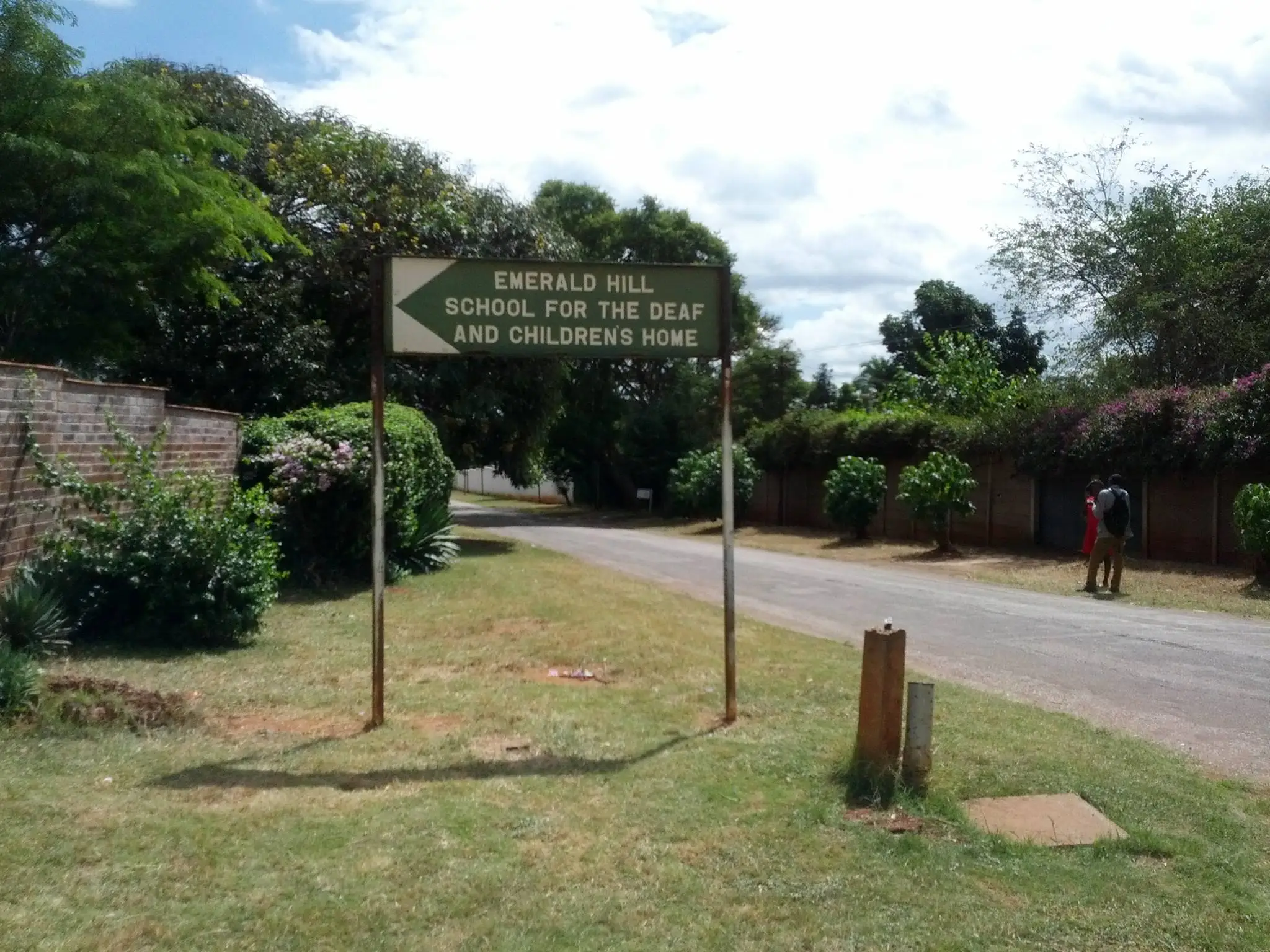
Many members of the three core Emerald Hill communities are able to communicate with the hearing-impaired learners and often interact together.
SCHOOL FOR THE DEAF
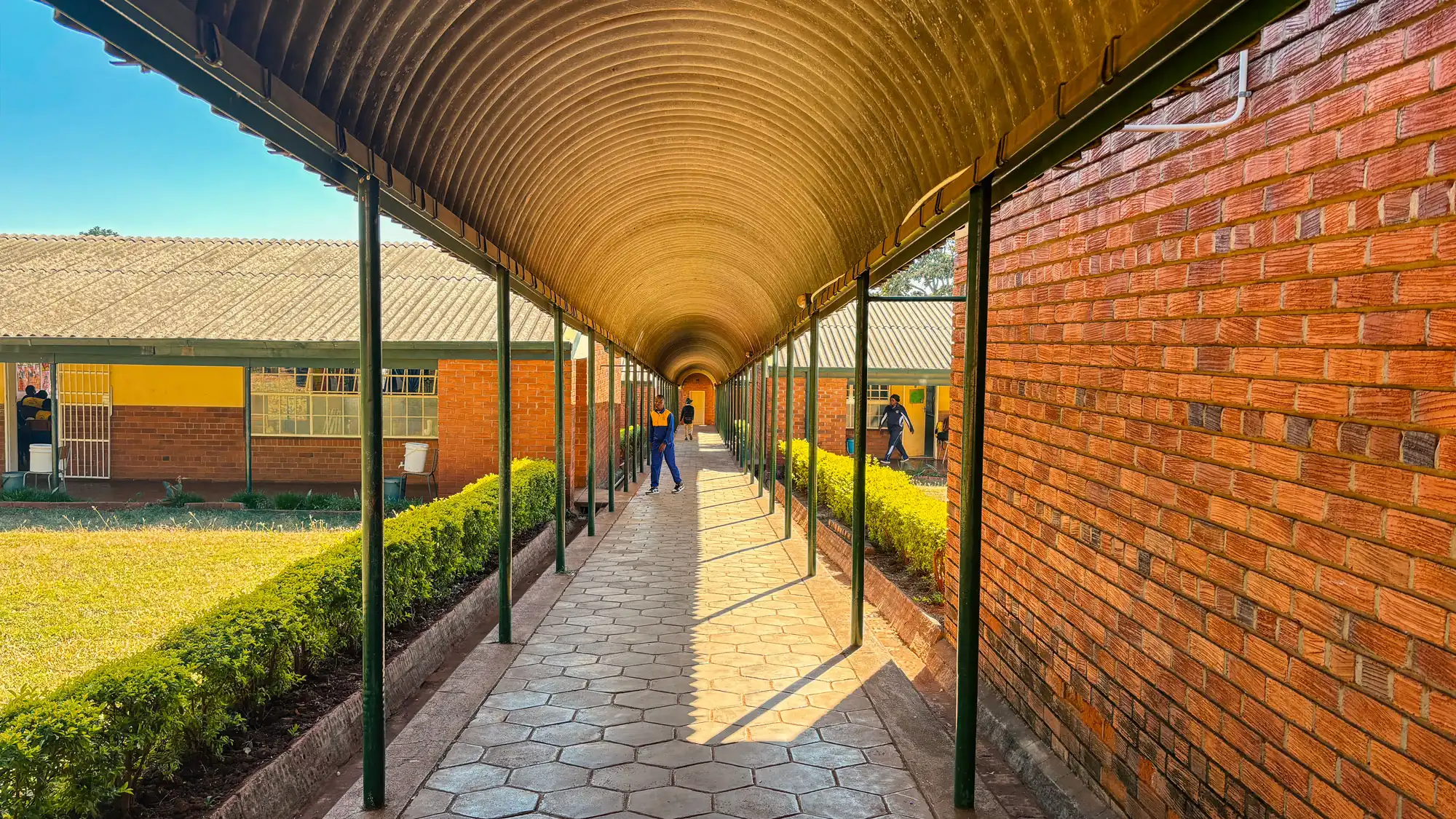
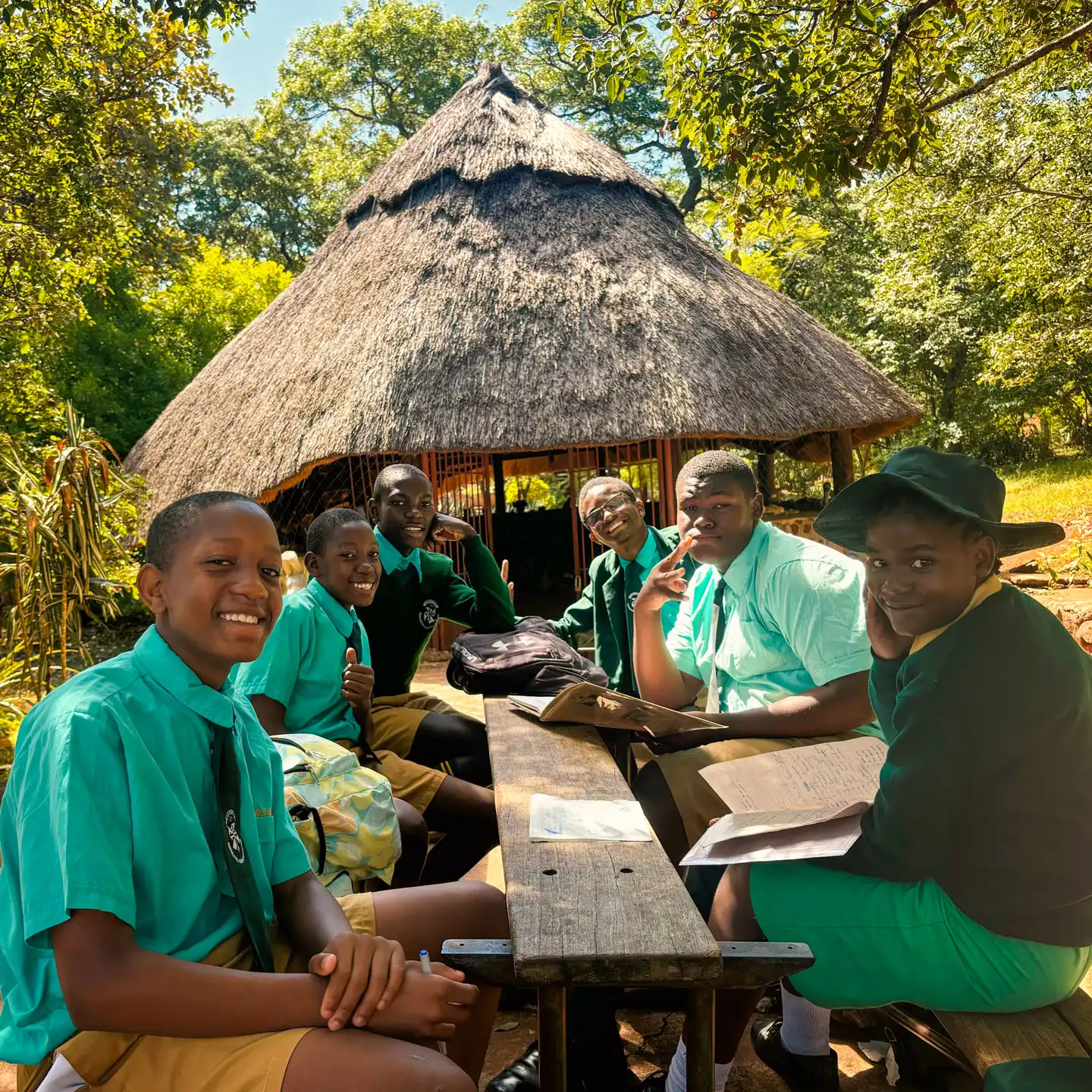
This consists of a primary school, a high school, and its corresponding boarding facilities. The primary school practices inclusive education and therefore has a mixture of hearing and hearing-impaired learners. The high school mostly comprises hearing-imparied, with a few hearing learners. Most of the hearing-impaired learners reside at the school's boarding facilities and therefore often roam the premises after school and interact with the children from the children’s home when they are present.
CHILDREN'S HOME
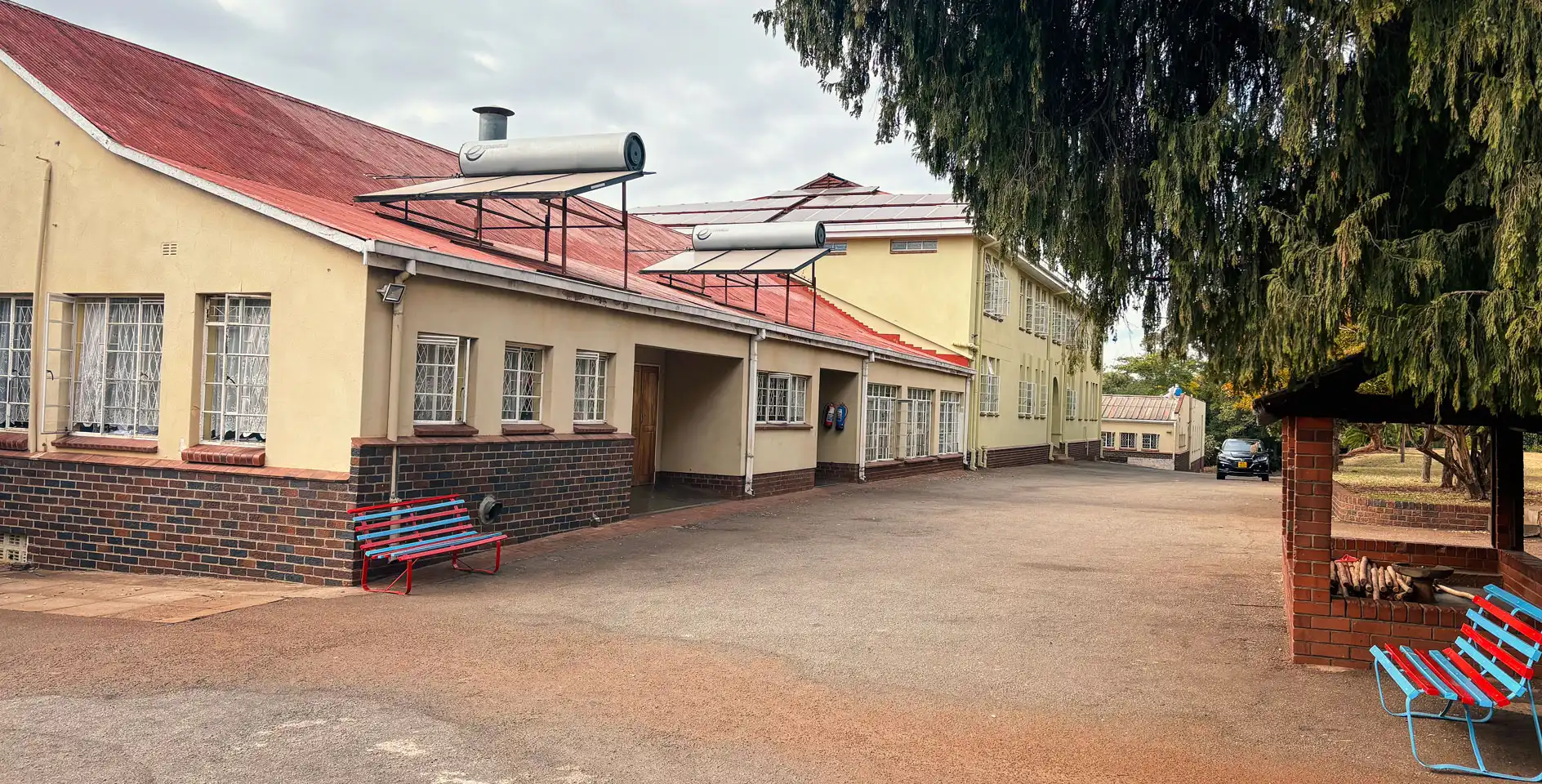
Emerald Hill Children’s Home is a home for orphaned and other vulnerable children, run by the the Dominican Sisters since 1914.
Today, the home cares for well-being of about 90 children aged 3 to 20. The children come from a variety of difficult backgrounds, many of them having gone through traumatic experiences of neglect and abuse.
Apart from providing food and shelter, Emerald Hill actively focuses on the emotional healing of its children through Christian spirituality in daily life, the engagement of social workers and counsellors, and a number of other creative offers.
After completing their primary education, the boys move to St. Joseph’s House for Boys, Belvedere, Harare, while the girls stay until they finish their education.
DOMINICAN CONVENT
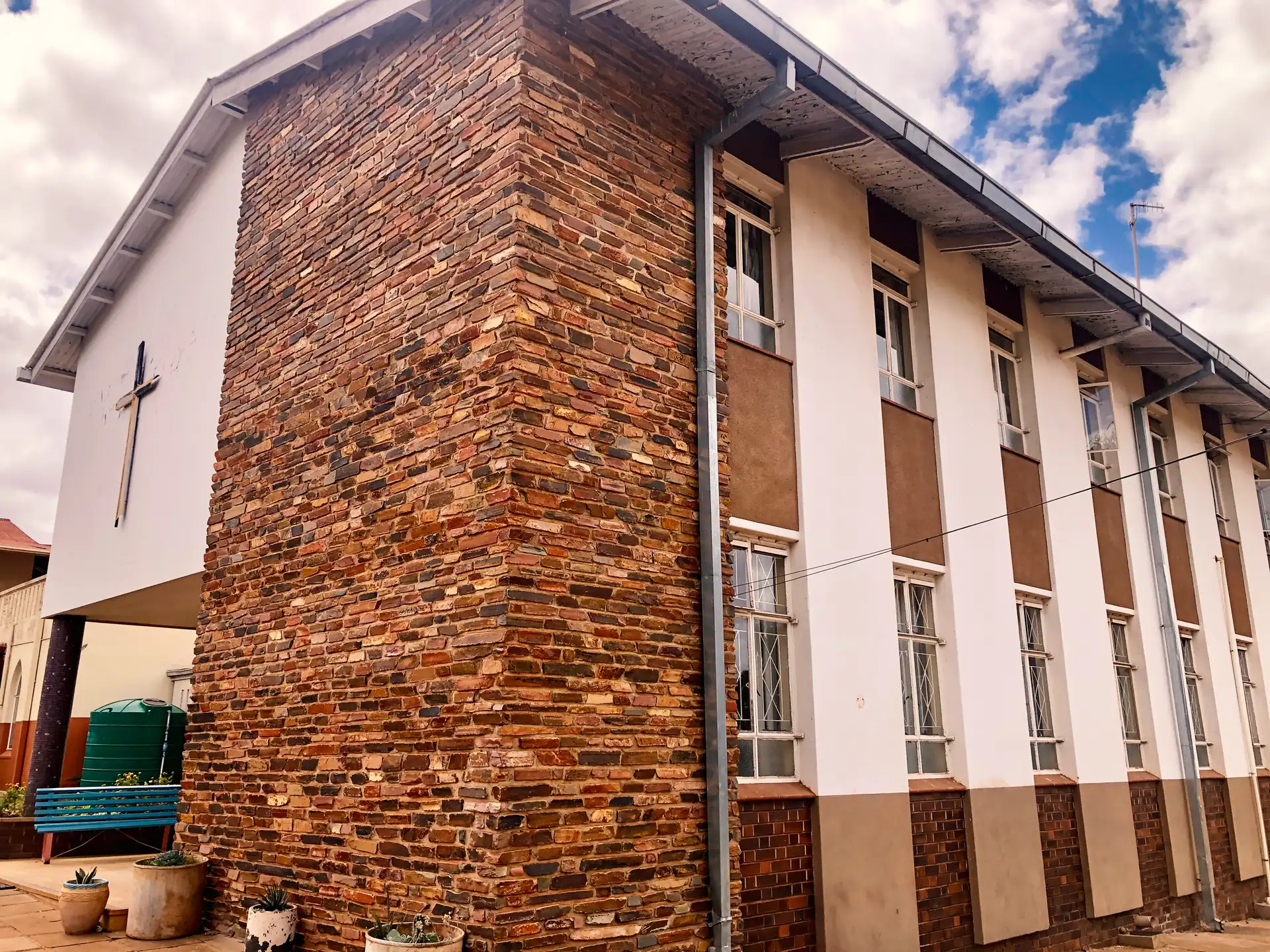
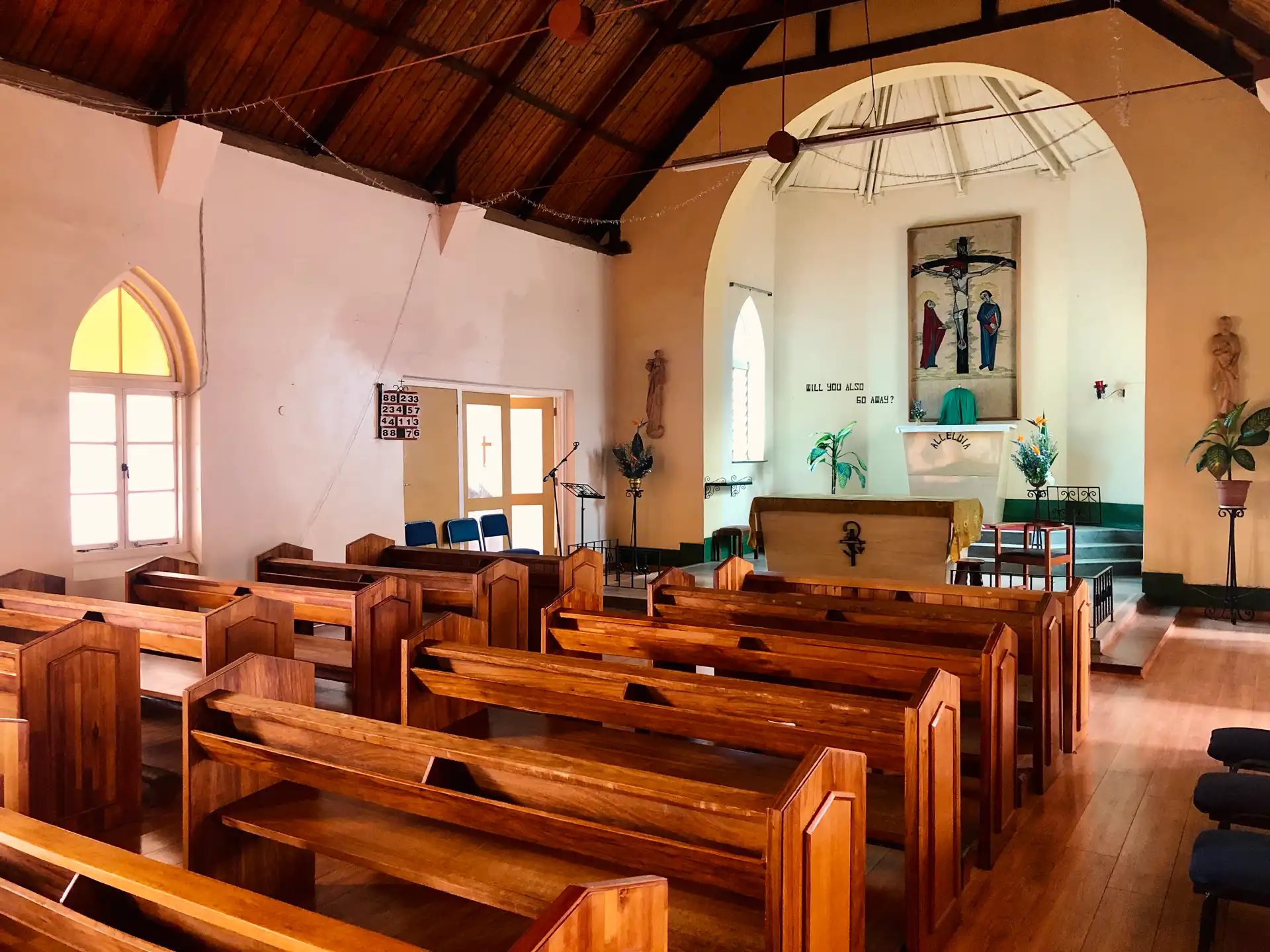
The convent is home to a number of Dominican sisters at various stages of their professions. Some of the community work with the school for the deaf while others work at the children's home.
Visit the Dominican Sisters Of The Sacred Heart - Zimbabwe, Facebook pageCOMMUNITY HISTORY
| Date | Event |
|---|---|
| 1908 (Feb) | Letter received from Mr. de Noon stating that he wants to donate Emerald Hill to the Dominican Sisters. |
| 1909 (Mar) | Legal transfer of property to the Sisters, to be used as a health resort for them. |
| 1914-15 | Brother Haupt SJ erects the main building for an orphanage, later girls' hostel, blessed by Fr. Sykes SJ. |
| 1915-17 | Another wing is added by Br. Haupt for boys' dormitories and temporary staff-room. |
| 1922 | New kitchen. |
| 1923-24 | New wing added - hall - by Constance Harper Trust. |
| 1925 | Chapel erected. St. Ursula helping with her own hands. |
| 1936 | New block for boys - by Palmer Memorial. |
| 1944 | Swimming pool. |
| 1947 | Water-borne sewerage. |
| 1950 | Two baths and toilets for senior girls are added. |
| 1952 | Tennis-court. |
| 1953 | Sports-field. |
| 1954 | Renovation of main building started. |
| 1956 | Floors cemented and parquets laid, steel windows, fire escape staircase added. |
| 1957 | Municipal water reservoirs built. |
| 1963 | New kitchen and laundry. |
| 1964 | The sisters move from the old dormitories into the new Convent. |
| 1978 | Boys and girls of Children's Home move into the Palmer building: girls upstairs and boys downstairs. |
| 1979 (Feb) | Emerald Hill School closes. All children go to Avondale Primary. |
| 1979 (May) | School for the Deaf - formerly Loreto School for the Deaf - opens at Emerald Hill. The deaf boarders live in the former Girls' hostel. |
| 1984 (Jun) | The new boys' hostel for the deaf is completed. |
| 1984 (Oct) | The new school building for the deaf children is opened. |
| 1987 | Extension of the School for the Deaf: five additional classrooms, science lab, and art-room. |
| 1999 | Plans for renovation and extension of Children's Home are being discussed. The project is started in 1992 and completed in 1994. |
| 1995 | The Nuncio blesses the renovated and extended Children's Home. |
| 1995-96 | Two classroom blocks, comprising eight classrooms, and a hall are added to the School for the Deaf. |
| 2000 - now | More boreholes are added to the premises. Greenhouses are added to the garden in 2024. |
| Source - Emerald Hill Dominican Convent Archive. | |